
About Bad Company
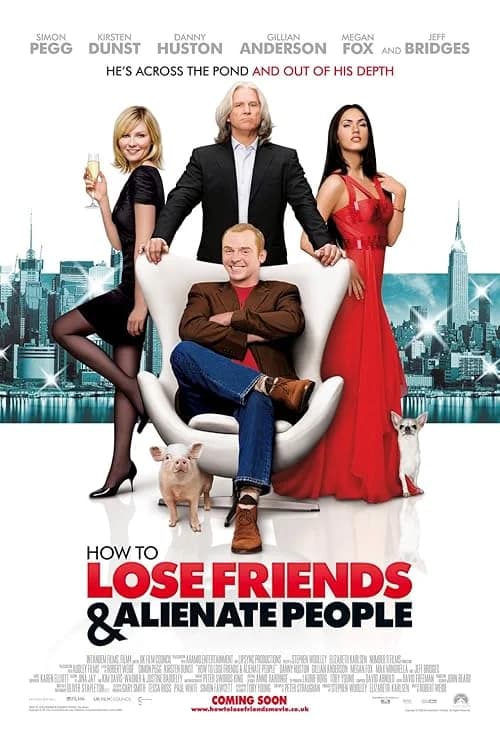
Bad Company (1972) offers a refreshingly unconventional take on the Western genre, focusing not on gunslinging heroes but on desperate young men fleeing the Civil War draft. Directed by Robert Benton in his feature debut, the film follows Drew Dixon (Barry Brown), a pious Ohio boy who dodges conscription and finds himself in St. Joseph, Missouri. There, he reluctantly joins a ragtag group of fellow runaways led by the charismatic but morally ambiguous Jake Rumsey (Jeff Bridges).
The film excels in its authentic portrayal of the harsh realities of frontier life. Unlike romanticized Westerns, Bad Company presents a gritty, often bleak journey westward where survival trumps idealism. The chemistry between Barry Brown and a young Jeff Bridges is compelling, with Bridges showcasing the early talent that would define his career. Their evolving relationship—from distrust to uneasy camaraderie—forms the emotional core of the film.
Robert Benton's direction emphasizes character development over action, creating a thoughtful drama about morality, friendship, and disillusionment. The cinematography captures the vast, unforgiving landscapes that mirror the characters' internal struggles. With its strong performances, intelligent script, and anti-heroic perspective, Bad Company remains a must-watch for Western enthusiasts seeking a more nuanced, character-driven narrative. Its exploration of youth, freedom, and compromise resonates just as powerfully today.
The film excels in its authentic portrayal of the harsh realities of frontier life. Unlike romanticized Westerns, Bad Company presents a gritty, often bleak journey westward where survival trumps idealism. The chemistry between Barry Brown and a young Jeff Bridges is compelling, with Bridges showcasing the early talent that would define his career. Their evolving relationship—from distrust to uneasy camaraderie—forms the emotional core of the film.
Robert Benton's direction emphasizes character development over action, creating a thoughtful drama about morality, friendship, and disillusionment. The cinematography captures the vast, unforgiving landscapes that mirror the characters' internal struggles. With its strong performances, intelligent script, and anti-heroic perspective, Bad Company remains a must-watch for Western enthusiasts seeking a more nuanced, character-driven narrative. Its exploration of youth, freedom, and compromise resonates just as powerfully today.